
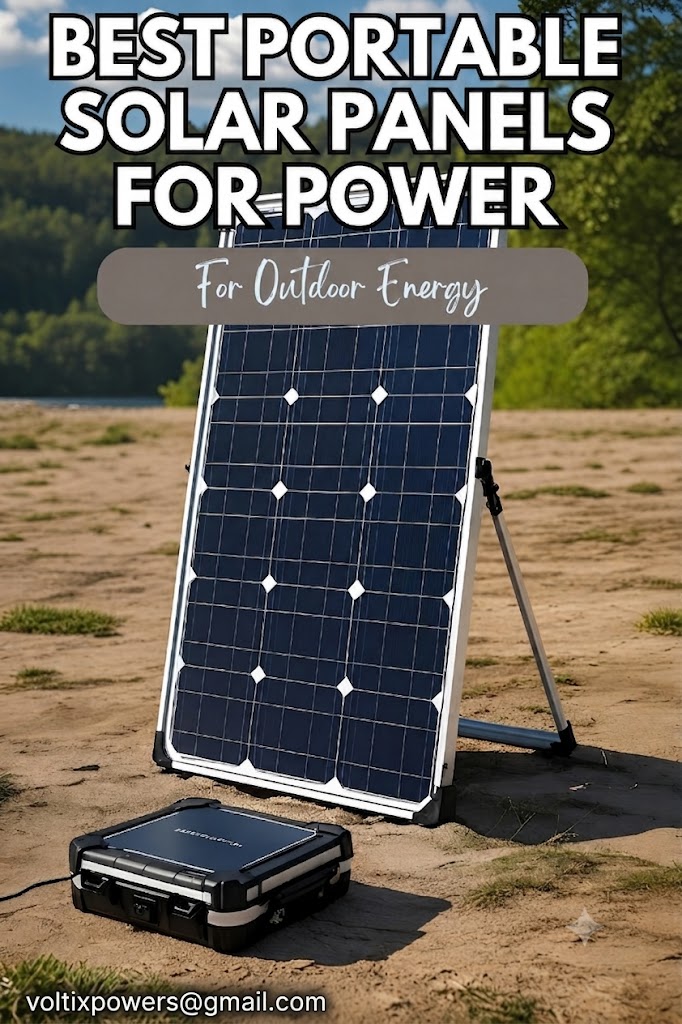
small solar panel is an efficient and compact device designed to convert sunlight into electricity for low-power applications. These panels are widely used in homes, RVs, gardens, and outdoor projects because they are affordable, lightweight, and easy to install.
How a solar panel Works
A small solar panel uses photovoltaic cells to capture sunlight and transform it into usable electrical energy. These compact systems follow the same principle as larger solar installations but are designed for devices and applications that require lower amounts of power.
Common Uses of Solar Panels
Many people use solar panels for charging mobile phones, power banks, security cameras, and LED lighting systems. They are also popular for camping trips, boats, and remote locations where access to grid electricity is limited.
Benefits of Choosing a Solar Panel
One of the biggest advantages of a small solar panel is portability. These panels can be carried easily and installed without professional assistance. They also help reduce electricity costs while promoting the use of clean and renewable energy.
Energy Output and Efficiency
The energy production of a small solar panel depends on its wattage, sunlight exposure, and overall efficiency. Under good weather conditions, even a compact panel can generate enough electricity to power small electronic devices throughout the day.
Installation and Placement Tips
Proper placement plays a major role in maximizing performance. A small panel should be installed in an area that receives direct sunlight for several hours daily. Avoiding shade from trees, buildings, and other obstacles helps improve energy generation.
Maintenance Requirements
Maintaining a small solar panel is simple and inexpensive. Regular cleaning removes dust and dirt that may block sunlight, while occasional inspections of cables and connections help ensure safe and efficient operation for many years.
Choosing the Right
Before purchasing, consider factors such as wattage, efficiency rating, durability, and intended use. A solar panel with high-quality materials may cost slightly more initially but often delivers better performance and a longer lifespan.
Future of Small Solar Technology
Advancements in solar technology continue to improve efficiency and affordability. Modern solar panels are becoming lighter, more durable, and more productive, making them an attractive option for individuals seeking sustainable energy solutions.
Conclusion
A solar panel is an excellent choice for anyone looking for a practical, affordable, and environmentally friendly power solution. Its portability, low maintenance requirements, and versatility make it suitable for a wide range of applications. Whether you need power for camping, outdoor lighting, or small electronic devices, a small solar panel provides reliable renewable energy while helping reduce dependence on traditional electricity sources.
FAQs
1. What can a solar panel power?
A solar panel can power LED lights, smartphones, Wi-Fi devices, small fans, security cameras, and battery charging systems, depending on its wattage and sunlight availability.
2. Are solar panels suitable for camping?
Yes, they are ideal for camping because they are lightweight, portable, and capable of charging essential devices while outdoors.
3. How long does a solar panel last?
Most quality solar panels have a lifespan of 20 to 25 years when properly maintained and protected from physical damage.
4. Do solar panels work on cloudy days?
Yes, they can still generate electricity on cloudy days, although the output will be lower compared to bright sunny conditions.
5. Can I connect a battery to a solar panel?
Yes, many users connect batteries through a charge controller to store energy for nighttime or emergency use.