
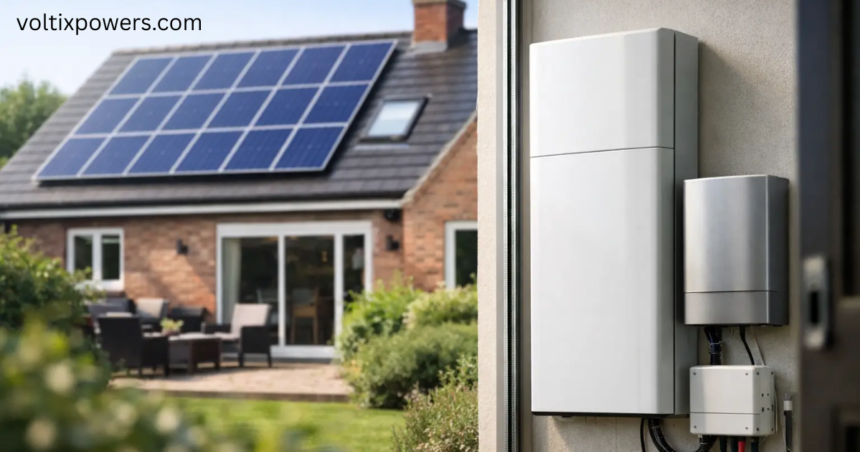
Finding the best solar battery for your home in 2026 means looking past marketing and understanding what fits your roof, your usage, and your budget. With energy prices volatile, the Smart Export Guarantee rewarding surplus exports, and smart tariffs rewarding overnight charging, the right battery can transform your bills. The wrong one is an expensive mistake.
What Makes a Battery “The Best” for a UK Home
There’s no single best solar battery — only the best fit for your household. It depends on your usage pattern, your solar array, whether backup matters, and your budget. A genuinely good 2026 battery uses LFP chemistry (safer than older NMC cells), carries a 10+ year warranty and 6,000+ cycles with 70%+ capacity retained, matches your real usable capacity rather than gross kWh, works with smart tariffs, and is fitted by an MCS-certified installer to protect your SEG payments and warranty.
The 0% VAT Update Every Homeowner Should Know
Since February 2024, standalone battery storage — even without new solar — qualifies for 0% VAT, confirmed under HMRC Notice 708/6 until 31 March 2027, after which it reverts to 5%. On a typical £6,000–£8,000 installation, that’s roughly £1,200–£1,600 saved. If you’ve delayed adding storage to existing solar, 2026 is the year to act before installers get busier near the deadline.
How to Size a Battery Without Overspending
Oversizing is the most common mistake. A battery only saves money on energy you’d otherwise import, so size it to your overnight/early-morning usage, not total daily demand. Most UK homes need 5–13.5kWh usable storage — a small home may suit 5kWh, while a family with an EV or heat pump may need 13.5kWh or more. Check your annual kWh and evening usage pattern before deciding, and factor in how much surplus your solar array typically generates in summer, since a well-positioned system can comfortably fill a larger battery without waste.
Do You Need Backup Power?
Backup isn’t automatic — many batteries need an extra changeover unit. Tesla Powerwall 3 and GivEnergy handle whole-home backup well; others offer essential-loads backup for a fridge, router and a few lights. It’s worth it if outages are common in your area or you rely on medical equipment; otherwise it’s a nice-to-have.
Retrofitting a Battery to Existing Solar Panels
Adding storage to the existing best solar battery is straightforward. With a standard string inverter, an AC-coupled battery (like a Powerwall) works alongside it unchanged. If an inverter upgrade is due anyway, a DC-coupled hybrid system is often more efficient. Retrofitting also opens up smart time-of-use tariffs that older installs may predate, letting you charge overnight on a cheap rate and discharge during expensive peak hours. A good installer will always survey your existing setup first and tell you honestly whether a retrofit makes financial sense before recommending anything.
Costs, Payback and the Smart Export Guarantee
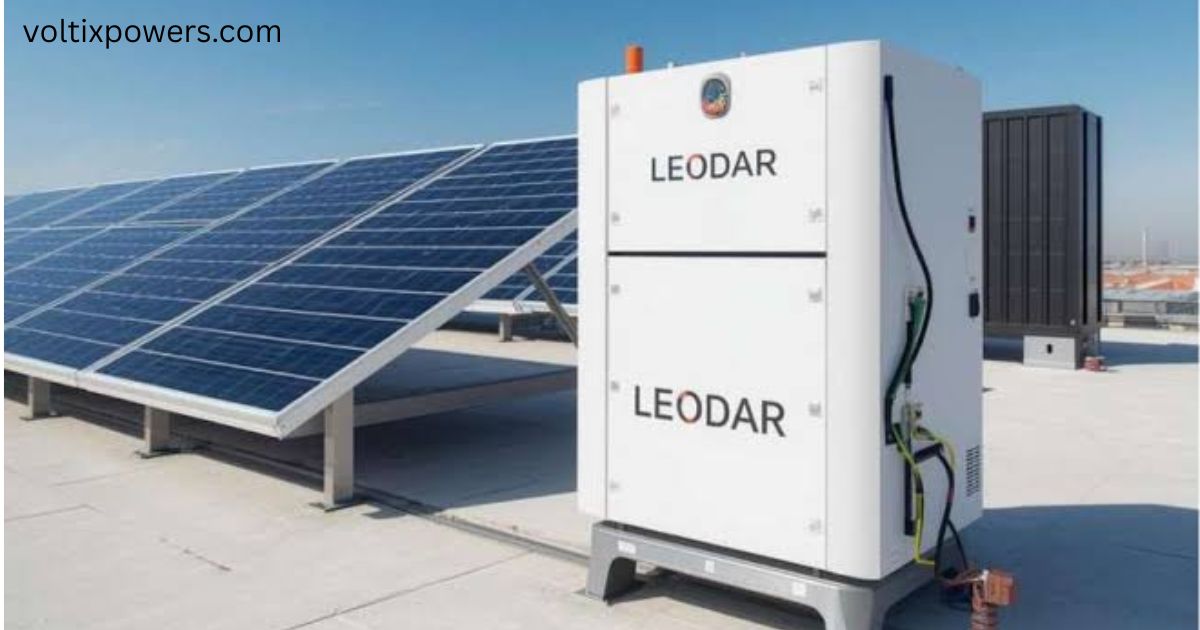
Expect £3,500–£4,000 for a smaller retrofit, rising to £8,000–£10,000 for a large battery with whole-home backup — figures that already include 0% VAT. Payback comes from avoiding peak imports, cheap overnight charging, and SEG payments on exported surplus. Most homeowners see payback within 7 to 12 years, well inside the warranty period. As always, a fixed price without seeing your home isn’t reliable — too many variables affect the real figure, so a tailored quote will always serve you better than a generic headline number.
Financing and 0% Interest Options
Most installers now offer interest-free finance over 5–10 years, often reducing monthly cost below the bill savings generated — a point most competitor guides skip entirely. A £7,000 system can cost as little as £60–£120 a month, frequently less than the savings it produces from month one. Always compare total cost across the term, since some “0%” offers build interest into a higher headline price rather than genuinely waiving it.
Safety Regulations and Installation Standards
UK battery systems must meet BS EN 62619 and manufacturer fire-safety guidance on placement, such as avoiding fitting directly beneath habitable rooms or escape routes. A proper MCS-certified installer will assess your consumer unit and cable runs, then confirm compliance in writing — skipping this step can invalidate both your warranty and your home insurance if a fault ever occurs.
Battery Lifespan and Second-Life Value
Most 2026 LFP batteries carry 10–15 year warranties and 6,000+ cycles, retaining 70–80% capacity at term end — meaning a battery installed today should still be usefully powering your evenings well into the 2030s. Some manufacturers, including GivEnergy and Sigenergy, now offer capacity top-ups or second-life recycling once usable capacity drops below a practical threshold, extending the system’s value even further.
Conclusion
There’s no universal answer — the right choice depends on usage, existing solar, whether backup matters, and budget. What’s changed for 2026 is the financial case: 0% VAT locked in until March 2027, wider modular brand choice, and flexible finance make the best solar battery for your home more affordable than ever. The smartest first step is a proper usage and roof assessment, not picking a brand first.
FAQs
What is the solar battery for a UK home in 2026?
It depends on your household’s usage and goals. The Tesla Powerwall 3 suits homes wanting whole-home backup and a premium app, while Sigenergy or Alpha Smile5 offer better value and flexibility for smaller starts that may expand later.
Do solar batteries still qualify for 0% VAT?
Yes, standalone and solar-paired battery installations both qualify for 0% VAT until 31 March 2027. After that date, the rate is scheduled to revert to 5% under current HMRC guidance.
How much does an installed battery cost?
Typically £3,500 for a smaller 5kWh system, rising to £8,000–£10,000 for a larger 13.5kWh battery with whole-home backup. These figures already include 0% VAT where applicable.
Can I add a battery to existing solar panels?
Yes — an AC-coupled battery works with most existing string inverters without any replacement needed. If an inverter upgrade is already due, a DC-coupled hybrid system may be a better fit.
How long do solar batteries last?
Most 2026 LFP batteries carry 10–15 year warranties and 6,000+ cycles, typically retaining 70–80% of their original capacity by the end of that term. Some brands also offer second-life options once capacity drops further.
Is backup power included with every battery?
No — backup usually requires an extra changeover unit and isn’t automatic on every model. It’s worth confirming with your installer whether you need essential-loads or whole-home backup.