
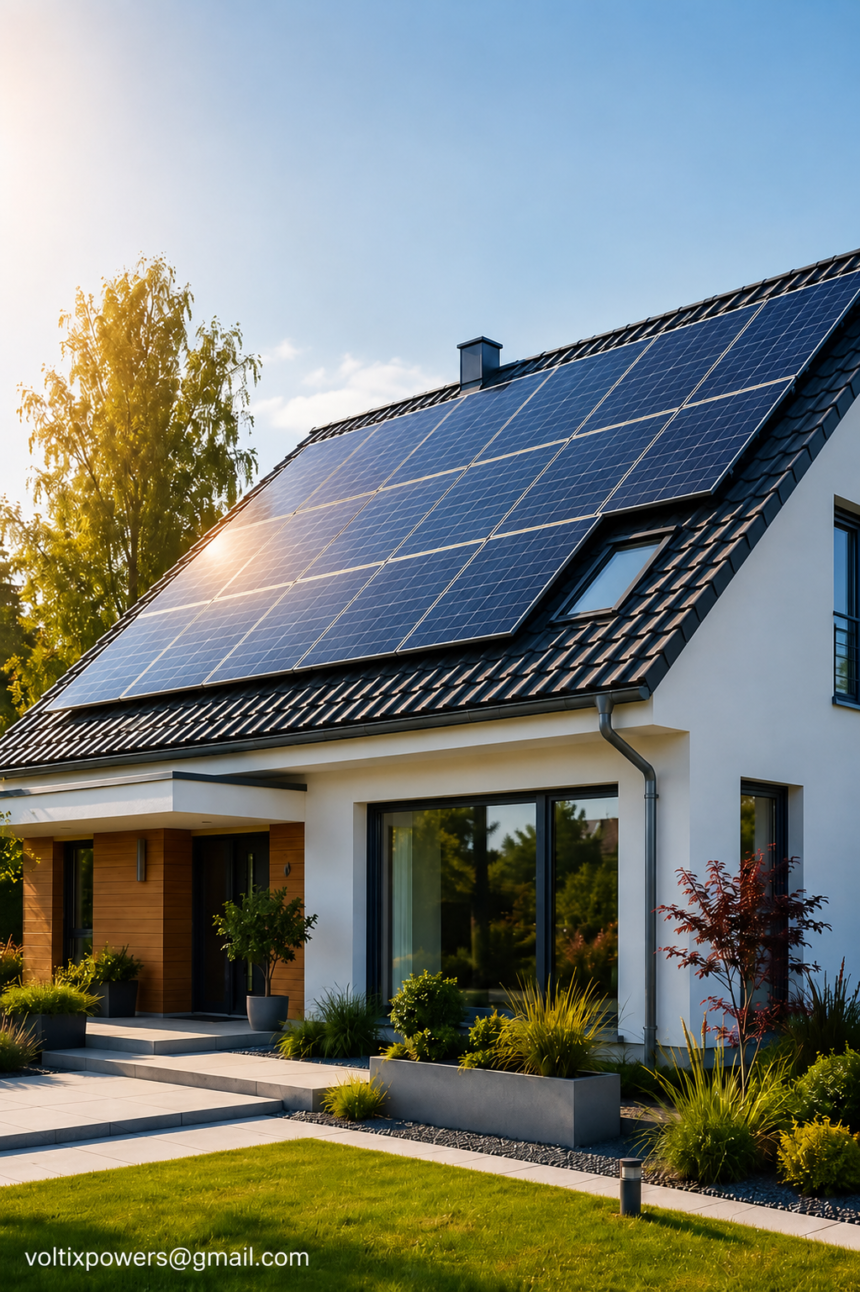
Rooftop solar Assam adoption is picking up fast as APDCL simplifies net metering and the PM Surya Ghar Muft Bijli Yojana slashes upfront costs. From Guwahati to Silchar, more households are realising that going solar is no longer a metro-city privilege — it is a practical, subsidy-backed way to cut electricity bills for the next 25 years.Rising APDCL tariffs, frequent power interruptions, and a growing network of empanelled local vendors have together made solar a far more practical choice than it was even three years ago. Homeowners no longer need to travel to Guwahati for consultations — most districts now have at least one certified installer offering site surveys, financing help, and after-sales support.This guide covers the essentials: net metering, subsidy structure, real costs, required documents, vendor selection, and monsoon care — everything a homeowner needs before applying.
APDCL Net Metering Process
For rooftop solar Assam applicants, APDCL is the nodal agency handling grid connection. The process runs in five simple steps: apply via the PM Surya Ghar portal using your APDCL consumer number, get a technical feasibility check, have your empanelled vendor install the system, undergo APDCL inspection, and finally get your net meter fitted. This meter records both the units you consume and the surplus you export, so your monthly bill reflects only the net electricity drawn from the grid. Net metering applies to residential systems up to 10 kW, covering nearly every home installation in the state. Any surplus generated during sunny afternoons is automatically credited against your consumption at night or during the monsoon, which keeps your effective bill low even on days with reduced sunlight. Keep your consumer number and latest bill handy, since APDCL cross-checks your sanctioned load before approving the connection.
PM Surya Ghar Subsidy Structure
The central subsidy gives ₹30,000 per kW for the first 2 kW and ₹18,000 for the third kW, capping at ₹78,000 for a 3 kW system. As a special-category Northeastern state, Assam households can be eligible for enhanced central assistance up to ₹1,17,000, and several state-backed packages add a further ₹40,000–45,000 on top. Subsidy is paid via direct bank transfer once APDCL commissions the system, usually within 45–90 days. Equipment must be ALMM-listed and DCR-compliant to qualify. It’s worth noting that subsidy amounts and top-up schemes are revised periodically by MNRE and the state government, so always confirm the latest slab on the official portal before finalising your system size, rather than relying on last year’s figures.
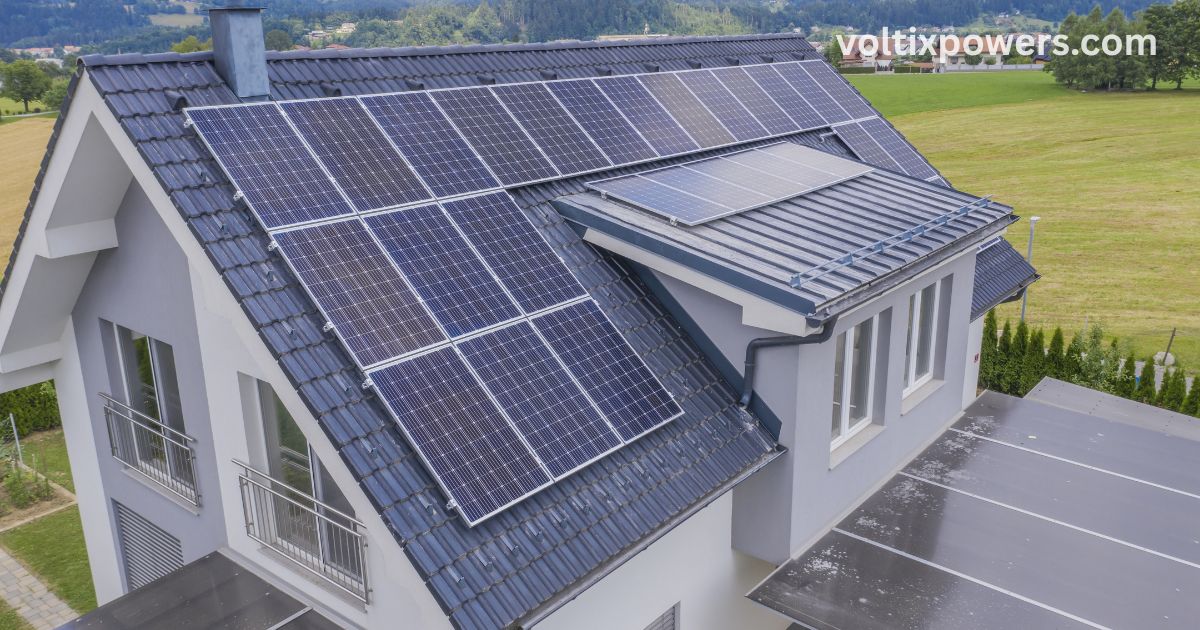
Cost, Subsidy, and ROI at a Glance
A typical 3 kW system costs around ₹1,60,000–1,90,000 before subsidy. After combined central and state assistance, net cost often falls to ₹60,000–1,00,000. Centered around Assam’s climate and tariffs, this delivers a payback period of just 3–5 years, followed by two decades of near-free electricity — roughly 300 units a month for an average household. Smaller 1–2 kW systems cost proportionally less and suit homes with modest monthly bills, while slightly oversizing the array by 10–15% helps offset Assam’s lower average sunlight and long cloudy stretches, protecting your long-term returns without a major jump in cost.
Documents Required
Keep these ready before applying: Aadhaar card, latest APDCL bill and consumer number, property ownership or NOC proof, passport photo, bank details with a cancelled cheque, and the signed vendor quotation. Most of this uploads directly onto the PM Surya Ghar portal, and your vendor usually assists with submission. Double-check that names on your Aadhaar, electricity bill, and bank account match exactly — mismatched details are the most common reason applications get delayed or sent back for correction.
Role of APDCL Empanelled Vendors
Only APDCL-empanelled vendors can install a subsidy-eligible system. They conduct the rooftop survey, secure the Net Metering Connectivity agreement, and carry a Performance Bank Guarantee, which protects you against poor workmanship. Always confirm a vendor’s empanelment status on the official APDCL or AEDA list before signing any agreement, and insist on a written, itemised subsidy quote. A genuine empanelled vendor will readily share their MNRE declaration and PBG reference; hesitation on this point is a red flag worth walking away from.
Monsoon Maintenance and Storm Protection
Assam’s long monsoon and frequent Nor’wester storms demand extra care. Before the rains, get mounting bolts, earthing, and lightning arrestors checked. Rain naturally cleans panels, but inspect drainage after heavy spells to avoid pooling. Keep inverters in a dry, ventilated spot, since humidity is a leading cause of faults here. Schedule a professional check-up at the start and end of every monsoon season. If your locality faces frequent, extended outages, consider a small hybrid battery add-on for essential loads, and ask your vendor about optional storm or lightning-damage insurance bundled with installation.
Conclusion
For homeowners across the state, rooftop solar Assam installations now combine strong central and state subsidies, a simplified APDCL net metering process, and a fast payback period, making this the right moment to switch from rising electricity bills to two decades of clean, self-generated power. With documentation ready and a genuine APDCL-empanelled vendor on board, most households can move from application to a fully working, subsidy-approved system within a single season — well before the next monsoon arrives.
FAQs
Q1. Is rooftop solar Assam worth it despite cloudy weather?
Yes — modern panels plus strong subsidies still deliver payback in 3–5 years.
Q2. How long does approval take?
Usually 45–90 days from application to subsidy disbursement.
Q3. Can renters install rooftop solar?
Only with ownership proof or landlord NOC, since the connection must be in the applicant’s name.
Q4. Does the system work during a power cut?
No, standard net-metered systems shut off automatically for safety.
Q5. How often do panels need cleaning?
A wipe every 3–4 weeks in dry months; monsoon rain does the rest.
Q6. Is the subsidy amount fixed for everyone?
Central subsidy is fixed; state top-ups and vendor pricing can vary.
Q7. What size suits an average home?
A 2–3 kW system fits most households with a ₹1,500–3,000 monthly bill.