
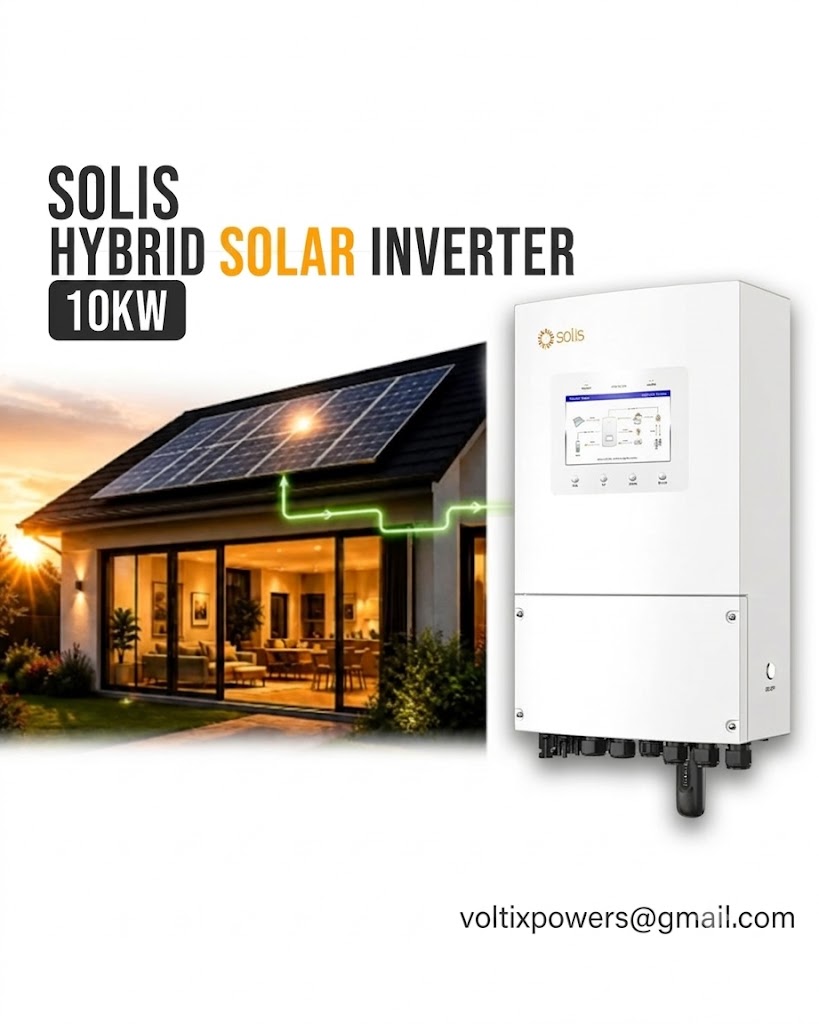
Inverter for solar panel is the brain of your whole solar system in 2026. When I first checked a house in Gojra, I saw 6 panels were perfect but the wrong inverter killed 30% power daily. Your inverter converts DC to AC, just like a translator, so MPPT quality, KW rating, and battery support matter more than brand name. Many people ignore early signals like fan noise, low efficiency, or no WiFi monitoring, but fixing these boosts bill savings and extends system life.
Why Inverter for Solar Panel is Most Important
From my experience, the inverter decides how much unit you actually save. A hybrid inverter with MPPT gives more units than a cheap PWM inverter, even with the same panels. When you ignore load calculation and buy a small KW inverter, you face overload tripping, battery damage, and wasted solar power. Proper sizing, MPPT channels, and local service not only improve output but also save repair cost for 10+ years. This is why every expert prefers the right inverter for solar panel over extra panels.
Best Types of Inverter for Solar Panel
Wrong inverter selection is the #1 mistake I see in homes. Buying an on-grid inverter in a load shedding area means zero backup at night. Using a small inverter for AC load causes shutdown daily. This reduces savings, increases frustration, and wastes panel investment. For light load shedding use Hybrid inverter, for no wapda use Off-grid inverter, and for net metering use On-grid inverter. Keep 20% extra KW capacity and check MPPT voltage range. This keeps the system stable, warranty safe, and output maximum.
Key Benefits of Right Inverter
Max Power Output: Good MPPT extracts 20-30% more units from the same panels.
Battery Backup: Hybrid inverter runs fridge and lights during load shedding.
Net Metering: On-grid inverter sells extra units to WAPDA and cuts bill to zero.
Monitoring: WiFi app shows daily production from your phone.
Common Mistakes to Avoid
Many dealers sell old PWM inverters as “solar inverters”. They skip earthing, use thin DC wire, and ignore ventilation. This causes inverter heating, MOSFET burning, and fire risk. Always check IP65 rating, ask for a 5 year warranty, and install a shaded wall. A quick load test before buying prevents 90% of future issues.
Conclusion
In conclusion, inverter for solar panel is the most critical purchase in 2026. Right KW, right type, and right MPPT make your solar system profitable. Proper installation, earthing, and maintenance ensure max units, zero breakdown, and 10+ years tension-free electricity savings that every home wants.
FAQs
How many KW inverters should I choose for a solar panel system?
Always choose an inverter that is 20–25% larger than your solar panel capacity. For example, if you have 3KW solar panels, a 4KW inverter is the best choice. A smaller inverter may get overloaded, while an oversized inverter can waste money.
Which inverter for solar panels is best during load shedding?
If you face load shedding, choose a Hybrid or Off-grid inverter. An On-grid inverter stops working when the electricity goes out. A Hybrid inverter can use solar power during the day and battery backup at night or during outages.
What is MPPT in a solar panel inverter?
MPPT (Maximum Power Point Tracking) is a technology that helps the inverter extract maximum power from solar panels. Without MPPT, a solar system can lose a significant amount of energy. Always choose an inverter with MPPT technology for better performance.
How much warranty should a solar inverter have?
A good solar inverter should have at least a 5-year warranty. Brands with local support and service are usually better choices. Avoid inverters that only offer 1–2 years of warranty.
Can a solar panel inverter work without a battery?
Yes, an On-grid inverter can work without a battery. However, it will shut down when the electricity goes out. If you need backup power, choose a Hybrid inverter with a battery system.